PARTNERS IN COLLISION REPAIRs
ARA LIBRARY of INDUSTRY STANDARDS & RESOURCES
The professional automotive recycling industry is continuously evolving to keep pace with the developments in motor vehicle technology and the dynamic automotive parts supply chain. The Automotive Recyclers Association is proud to offer a library of industry standards, resources, and digital documents for professional automotive recycling businesses. Lear more or Download these documents today to use in your employee training and overal education.
ARA MEMBERS ARE PARTNERS IN COLLISION REPAIRs
Why Use Recycled Auto Parts in Collision Repairs?
Because they are ROE–Recycled Original Equipment® Auto Parts
Professional automotive recyclers deliver high quality, low cost ROE–Recycled Original Equipment® auto parts, expertly
harvested from end-of-life vehicles and provided to Collision Repair professionals as an integral part of their automotive repair process.
ROE® auto parts have been the trusted choice in vehicle repairs for over 75 years. As trusted partners, automotive recyclers are:
|
Value
Automotive recyclers supply retail and wholesale customers with quality auto parts with the exact make and fit of the repair vehicle, and that cost 20 percent to 80 percent less than comparable new automobile parts |
Quality
Professional auto recyclers use robust quality control procedures to reclaim and sell only those parts that are in good condition and meet industry standards. Reputable auto recyclers guarantee their parts with warranties, as well. |
Environment
Automobiles are among the most recycled products in the world. By choosing recycled auto parts, you help preserve natural resources, reduce air and water pollution and divert material from landfills |
DOWNLOAD THE ARA informational FLYER FOR YOUR CUSTOMERS TO UNDERSTAND THE PROCESS OF AUTOMOTIVE RECYCLING IN COLLISION REPAIRS.
EVERYONE SAVES WITH RECYCLED AUTO PARTS IN COLLISION REPAIRS
The reuse of Original Equipment (OE) Auto Parts has a long and safe history of success in the repair of all types of vehicles.
|
|
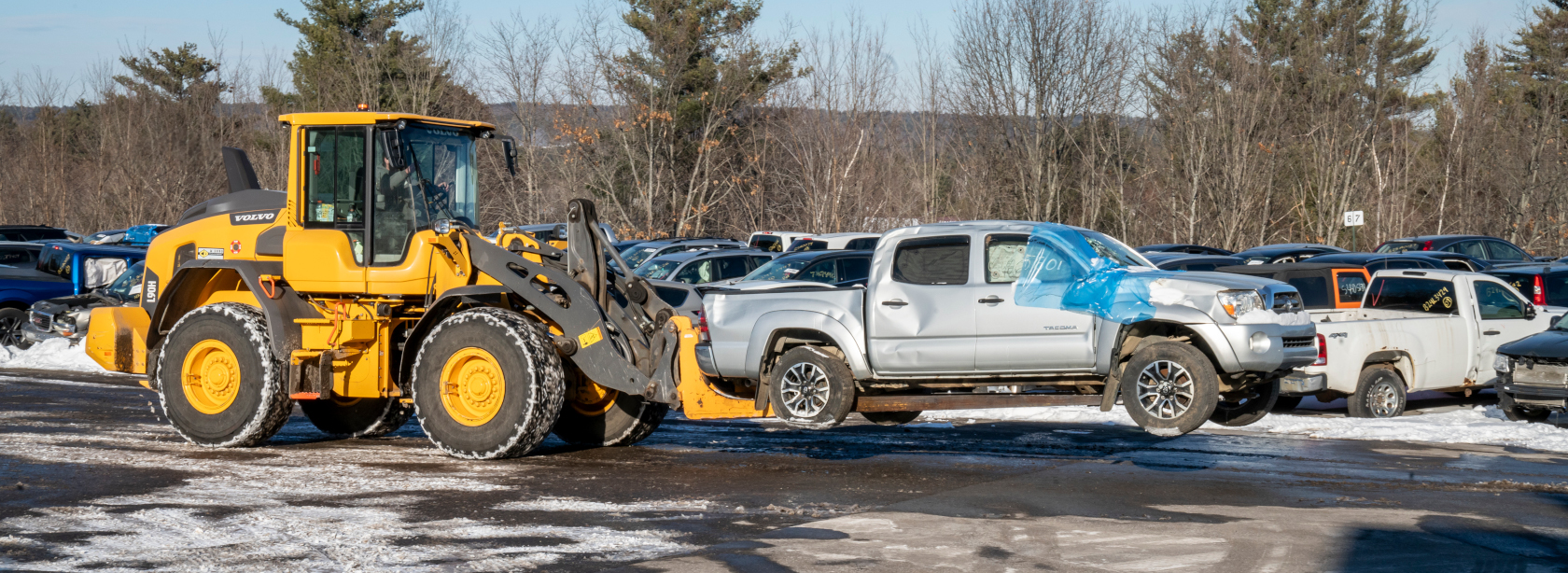
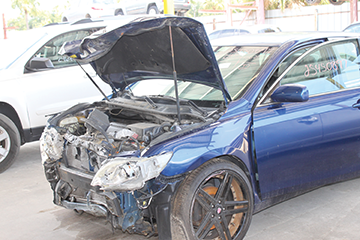
Vehicle is totaled by insurance. It is then usually purchased at auction or from a private seller by an automotive recycler. Professional auto recyclers are licensed and highly regulated by many agencies. Some are even Certified Auto Recyclers.
|
|
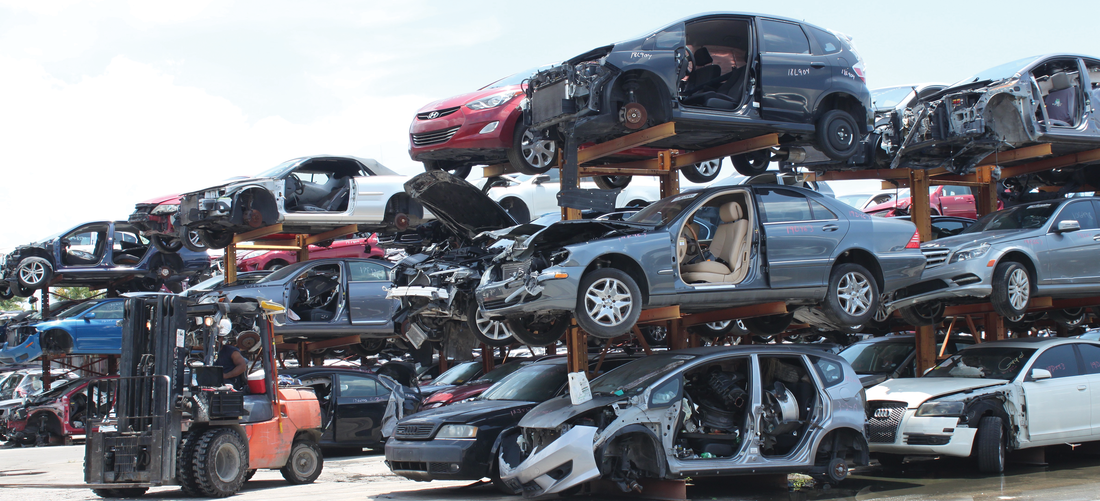
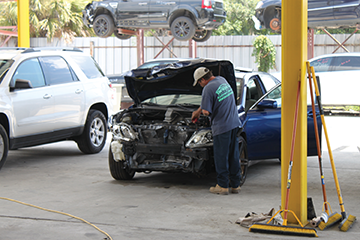
Vehicle is tested and inventoried by a dismantler for all sell-able parts. Based on business model, some auto recyclers leave sell-able parts on the car until their sale, and others remove some or all parts and store them on racks. Either solution is acceptable.
|
|
|
|
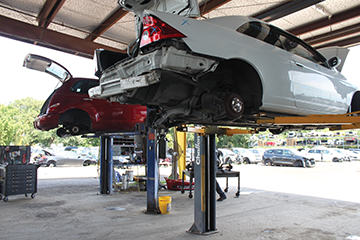
Vehicle is sent for de-pollution, where all fluids harmful to the environment are properly drained. These fluids are often reused by the auto recycler to power their facility or sent to a certified fluid recovery specialist for safe disposal.
|
|
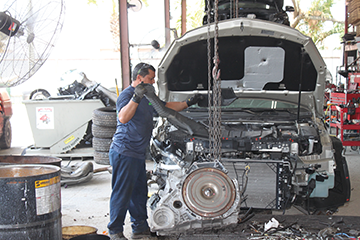
Vehicle is then dismantled based on its inventorying. Automotive dismantlers are highly paid positions in an automotive recycling facility due to their highest levels of expertise removing vehicle parts carefully and safely so as not to diminish the part’s value or damage them.
|
|
|
|
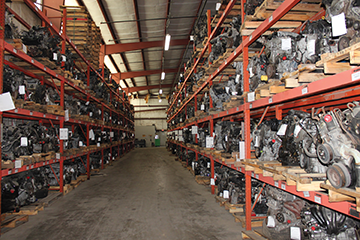
Vehicle parts are then tagged and scanned into Inventory Management System software used by professional automotive recyclers. At any given time, a particular part can be located for quick sale and delivery to the repairer.
|
|
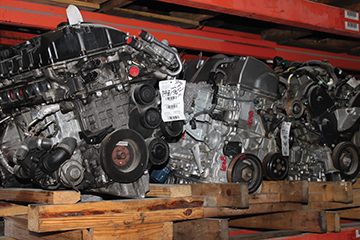
Vehicle replacement auto parts are requested as part of an insurance estimate or directly from collision and mechanical repairers, or private buyers, to repair a similar make, model and/or year. Interchange allows parts to be used on multiple makes, models and years.
|
|
|
|
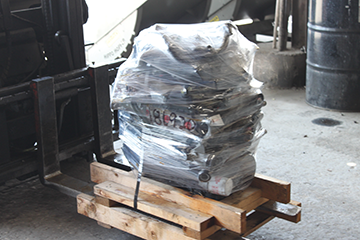
Vehicle parts that are secured by a buyer from the facility’s sales team are processed by parts pullers and shipping, who pull, quality inspect, and prepare the part for fast delivery. Many auto recyclers sell warranties for increased customer assurance of quality.
|
|
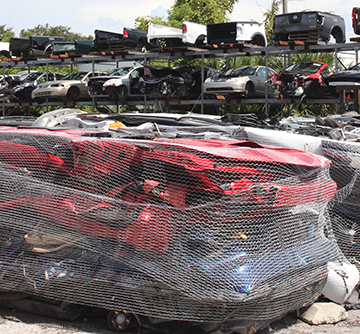
Vehicles that are fully inventoried are further stripped of miscellaneous “fluff” materials and the vehicle is crushed and sold for the vehicle’s weight as scrap metal. Up to 95% of a car can be recycled and the sold scrap metal is used to make new products.
|
|